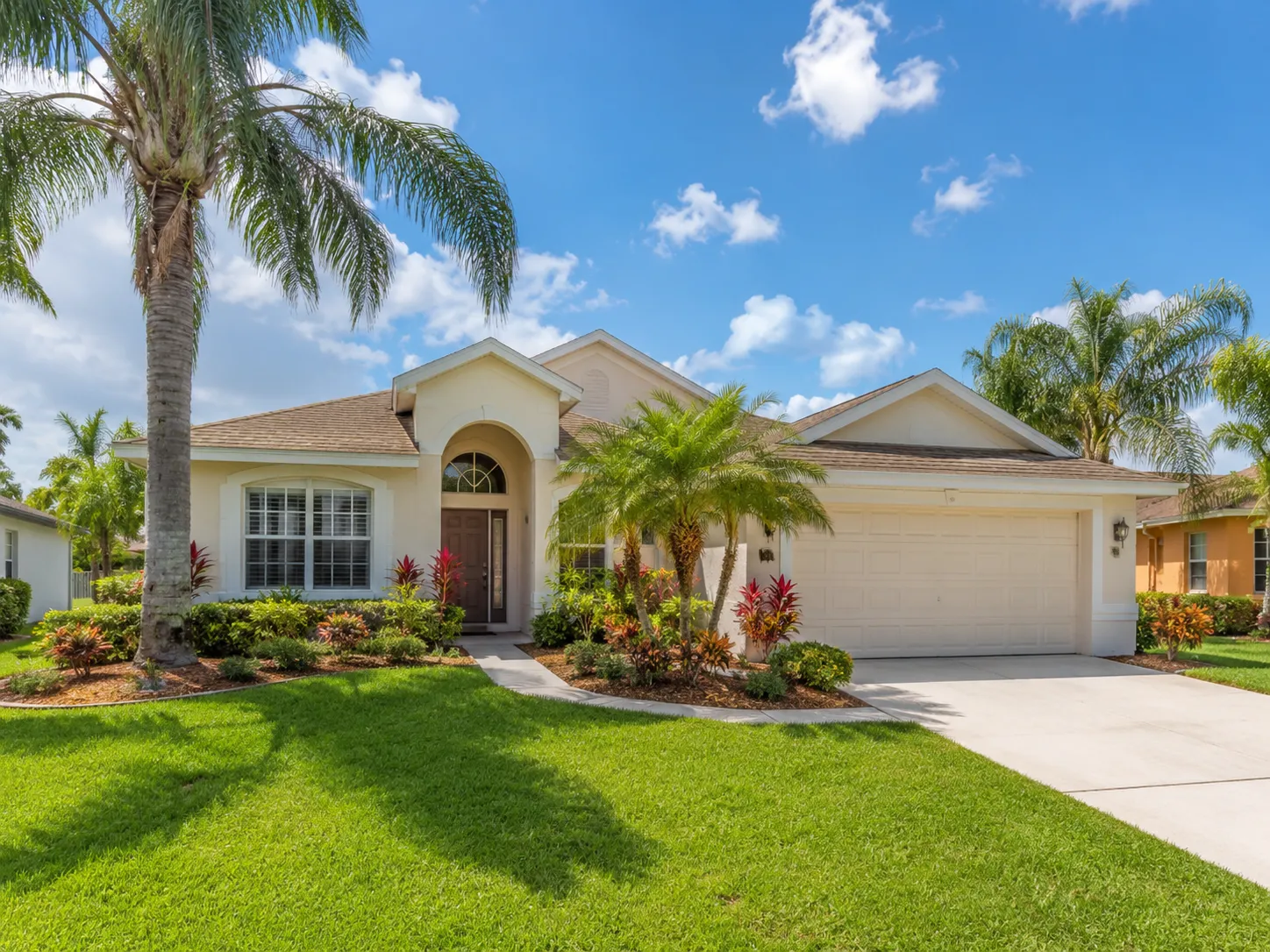
As a local Orlando realtor with over 34 years in Central Florida, orlando is one of the most popular investment property markets in the country. Between 75 million annual visitors, a booming population, strong job growth, and year-round demand for both short-term and long-term rentals, the numbers make sense here in a way they don't in most cities.
But here is what a lot of out-of-state investors learn the hard way: not every property that looks like a good deal on paper actually works. Rental rules vary wildly from one neighborhood to the next. HOA restrictions can kill your STR plans. Insurance costs can eat your cash flow. And the wrong location can mean high vacancy, low nightly rates, or both.
That's why working with a Realtor who understands investment property isn't optional. It is the difference between a property that performs and one that becomes a financial headache.
Short-Term vs Long-Term Rental Strategy
The first question every investor needs to answer is: what kind of rental are you trying to build? Short-term vacation rentals and long-term residential rentals are two completely different businesses, and they require different locations, different properties, and different financial models.
STR vs LTR at a Glance
The right strategy depends on your goals, budget, risk tolerance, and how involved you want to be
Short-term rentals can generate higher gross income, especially near Disney, Universal, and the convention center. But they come with higher operating costs, management fees, furnishing expenses, cleaning turnover, platform commissions, and more regulatory risk. You also need to be in a location that legally allows STR and has an HOA that permits it.
Long-term rentals offer more stable, predictable income with less active management. Orlando's growing population and strong job market create consistent demand for residential rentals, especially in areas with good schools and newer construction. The cash flow per month may be lower than a hot STR, but the consistency and lower operating costs make it attractive for many investors.
Where to Invest in the Orlando Area
Location is everything in investment real estate. Here are some of the top areas and what makes them work:
- Kissimmee and Davenport for vacation rentals near Disney with STR-friendly zoning
- ChampionsGate and Reunion for resort-style vacation home communities with built-in amenities
- Windsor communities near Disney for themed, turnkey vacation rental properties
- Lake Nona for long-term rental demand driven by Medical City and tech employers
- Horizon West and Winter Garden for family-focused long-term rental demand
- Orlando proper for multi-family and single-family long-term rental opportunities
- Near Universal and the convention center for hybrid STR and corporate rental strategies
Each of these areas has different price points, different rental rules, different tenant profiles, and different return expectations. Knowing which one matches your investment goals is critical, and that's exactly what I help investors figure out.
Understanding Rental Rules and Zoning
This is where most investors get burned. Orlando area rental rules are complicated and inconsistent. Orange County, Osceola County, the City of Orlando, the City of Kissimmee, and individual HOAs all have their own regulations. What is allowed in one community may be completely banned two miles down the road.
Before you buy anything, you need to verify:
Does the county or city allow short-term rentals at this address? Does the HOA permit STR, and are there minimum stay requirements?. Are there licensing, tax registration, and safety inspection requirements? Are there noise, parking, or occupancy ordinances that affect operations? Are there any pending rule changes that could impact your investment?.
I help investors navigate all of this before they make a purchase, not after. Because finding out you can't legally rent your property after you have already closed is a problem no one wants to deal with.
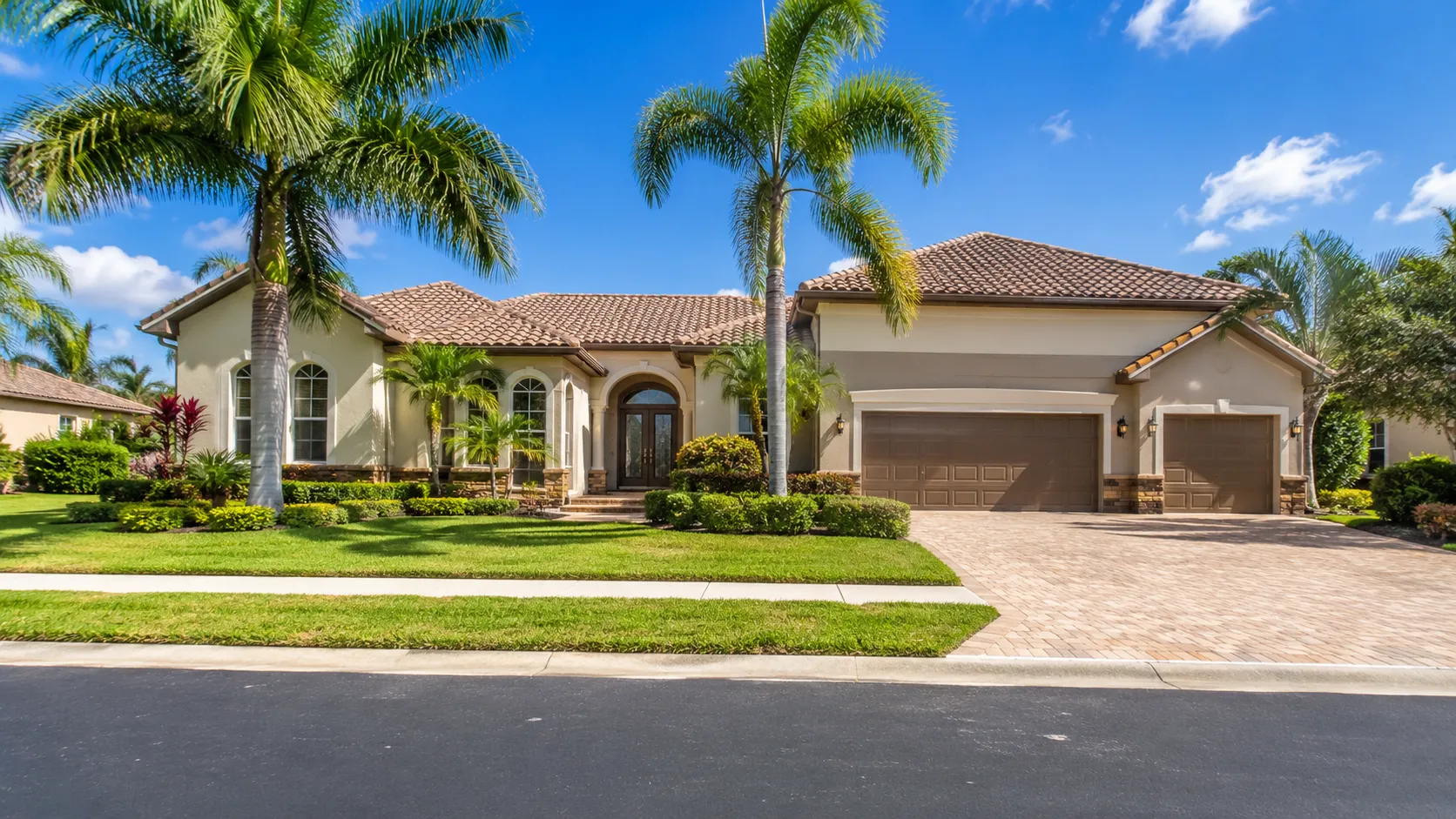
Choosing the right Realtor for investment property in Orlando makes a significant difference in your returns. You need someone who understands rental markets, cap rates, HOA restrictions, zoning, insurance, and the specific dynamics of each neighborhood.
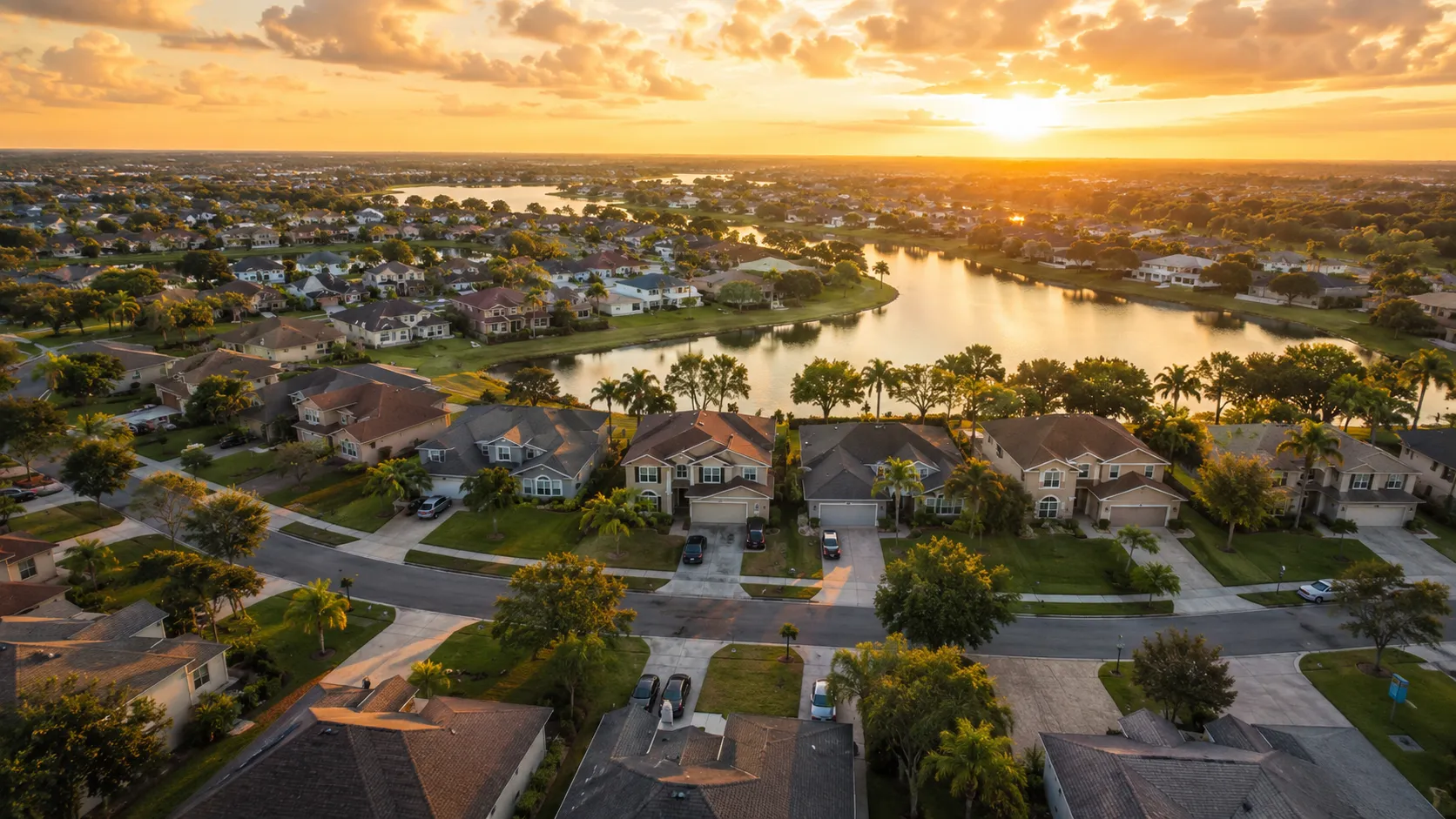
Vacation rental properties with private pools generate stronger bookings and higher nightly rates. Micaela helps investors evaluate pool condition, outdoor living space, and guest appeal alongside traditional investment metrics.

With over 30 years in the Orlando market, Micaela brings real local knowledge to every investment transaction. From identifying undervalued properties to understanding which neighborhoods are trending, local expertise is your greatest advantage.
Work With Micaela Navarra

I help real estate investors find properties that actually cash flow in the Orlando market. Whether you are looking at vacation rentals near Disney, long-term rentals in growing communities, or multi-family opportunities, I can help you analyze the numbers.
Languages: English, Italian, Spanish, and Portuguese
Call or text: 407.761.5501 | Email: Mnavarrarealty@gmail.com