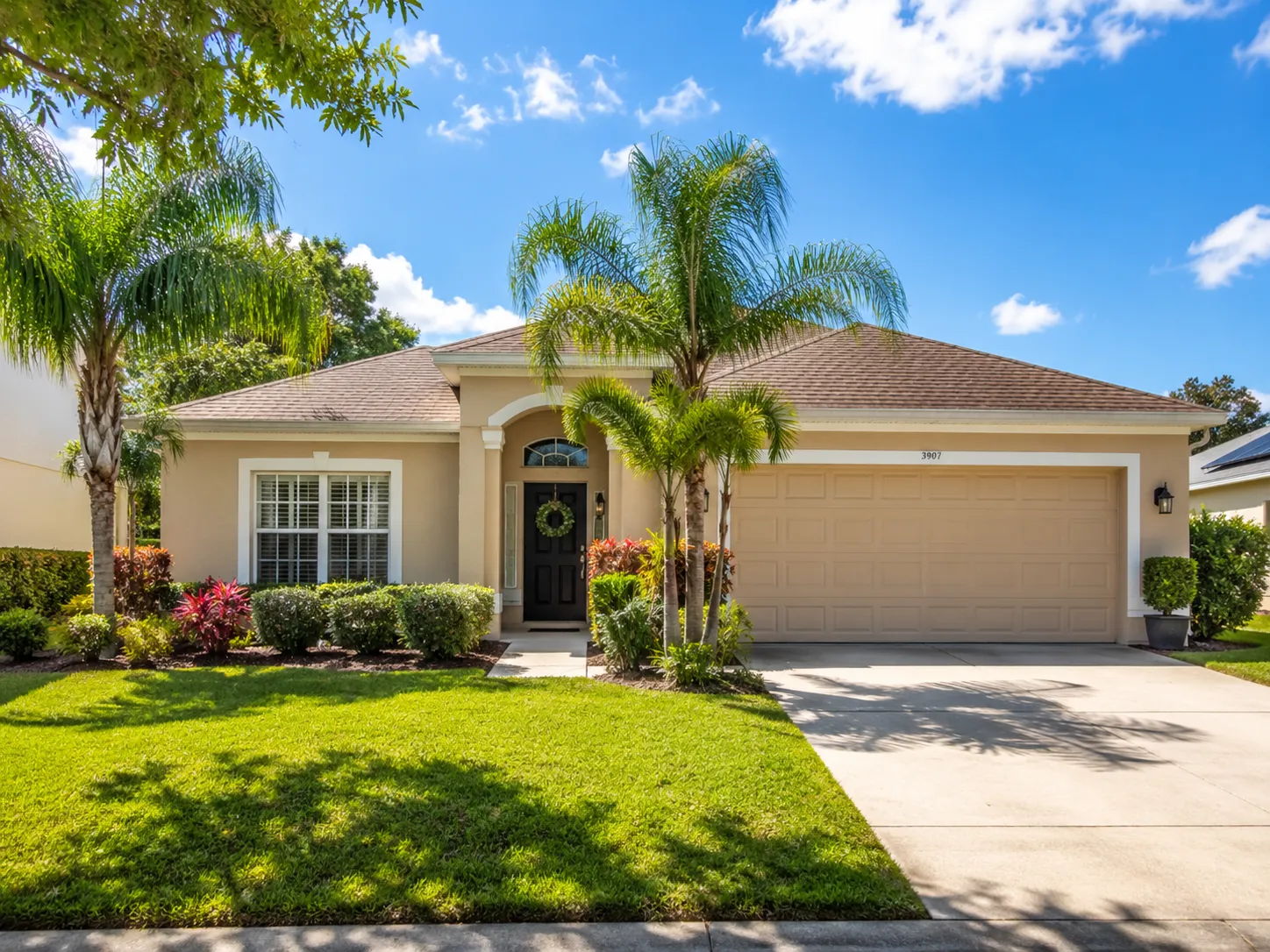
I am at home inspections with my buyers almost every week, and I can tell you that the inspection is one of the most important steps in the home buying process. As a local Orlando realtor, I have seen inspections uncover things that saved my clients tens of thousands of dollars — and I have also seen buyers panic over things that are completely normal. Let me help you understand what to expect.
What Does a Home Inspector Check?
A licensed Florida home inspector evaluates approximately 1,600 individual components grouped into 10 major systems, as defined by Florida Statute 468.8321. Here is what they are looking at:
- Roof — Age, material, condition, signs of leaks, flashing, gutters, and estimated remaining life. In Florida, this is the most scrutinized item because of its impact on insurance.
- Structural components — Foundation, walls, floors, ceilings, and load-bearing elements. Inspectors look for cracks, settlement, and signs of structural movement.
- Electrical system — Panel condition, wiring type, outlet function, GFCI protection near water, and any safety hazards. Older homes may have aluminum wiring or outdated panels that need attention.
- Plumbing — Pipe material, water pressure, water heater age and condition, visible leaks, and drainage. Polybutylene pipes (common in homes built 1978-1995) are a known issue in Florida.
- HVAC — Age, condition, operation, ductwork, and thermostat function. In Florida where AC runs nearly year-round, HVAC systems have shorter lifespans than in cooler climates.
- Insulation and ventilation — Attic insulation levels and ventilation. Poor attic ventilation in Florida leads to excessive heat and moisture buildup.
- Windows and doors — Operation, seals, water intrusion, and whether impact-resistant windows are installed.
- Exterior — Siding, stucco, paint, grading, drainage, and landscaping near the foundation.
Home Inspection Costs in Orlando (2026)
Common Orlando Inspection Issues
After years of attending inspections across every Orlando neighborhood, these are the issues I see most often. Many are specific to Central Florida's climate:
- Aging roofs — Florida's sun, heat, and storms take a toll on roofs faster than in most states. A shingle roof in Orlando typically lasts 15 to 20 years, not the 25 to 30 years you might see up north. Roof condition directly affects your ability to get affordable insurance.
- HVAC wear — AC systems in Orlando run 8 to 10 months per year. An HVAC system that might last 20 years in a cooler climate often lasts 10 to 15 here. If the system is older than 12 years, budget for replacement.
- Water intrusion — Florida gets an average of 50 inches of rain per year. Inspectors look for stains, mold, and moisture around windows, doors, and the foundation. Even minor stucco cracks can let moisture in over time.
- Termites and wood-destroying organisms — Central Florida's warm, humid environment is ideal for termites. A WDO (wood-destroying organism) inspection is separate from the standard inspection and I recommend it for every purchase.
- Stucco cracks — Many Orlando homes have stucco exteriors. Hairline cracks are cosmetic, but larger cracks or patterns of cracking can indicate structural movement or allow water penetration.
- Outdated electrical panels — Homes with Federal Pacific or Zinsco panels are a concern because they have known failure issues. These need to be replaced for both safety and insurance reasons.
- Polybutylene pipes — Common in homes built between 1978 and 1995. These gray plastic pipes are prone to failure and many insurers will not cover homes with them. Replacement is expensive but often necessary.
Wind Mitigation and Four-Point Inspections
Beyond the standard inspection, Florida has two specialized inspections you should know about:
Wind mitigation inspection ($75-$150): Documents the hurricane-resistant features of the home. Florida law requires insurers to give discounts for verified wind-resistant construction. This inspection almost always pays for itself through insurance savings. Learn more in my Homeowners Insurance Guide.
Four-point inspection ($100-$175): Evaluates the roof, electrical, plumbing, and HVAC. Insurance companies require this for homes older than 20 to 30 years. If any of the four systems fail, you may have difficulty getting insurance on the home — which means you cannot close if you are financing.
I always recommend getting both of these done at the same time as your standard inspection. Most inspectors offer a package deal, and having all three done at once saves time and money.
When to Negotiate After an Inspection
Almost every inspection turns up something, and that is normal. The question is: what is worth negotiating over and what is not?
Worth Negotiating
Not worth negotiating: cosmetic issues, minor wear and tear, small cracks in the driveway, older but functional appliances, or maintenance items like HVAC filter replacement. These are normal and expected.
When to Walk Away
I do not say this lightly, but there are situations where walking away is the right move:
- Major foundation issues — Significant cracking, sinking, or structural concerns that would require extensive and expensive repair.
- Extensive termite damage — If the damage is structural and widespread, the cost to repair can exceed the home's value in some cases.
- Full roof replacement needed — If the seller is unwilling to address it and the cost significantly changes your budget.
- Significant mold throughout the home — Not surface mold in a bathroom, but systemic mold in walls, attic, or crawl space that indicates chronic water intrusion.
- Unpermitted structural work — Additions or major modifications done without permits can create insurance, financing, and resale nightmares.
In most cases, inspection issues are negotiable. Your realtor should help you evaluate whether the findings are manageable, worth negotiating, or deal-breakers. That is a core part of what I do for my buyers.
Work With Micaela Navarra

I attend every inspection with my buyers. Having a realtor who understands what is normal and what is a real concern saves you money and stress. Let me guide you through the process.
Languages: English, Italian, Spanish, and Portuguese
Call or text: 407.761.5501 | Email: Mnavarrarealty@gmail.com