As a local Orlando realtor with over 34 years in Central Florida, everyone knows Orlando as a vacation destination. But what's it actually like to live here? Not visit for a week. Live here. Build a career, raise a family, find your neighborhood.
I can tell you firsthand because I've been doing it for over 30 years. I've raised my family here, watched this city transform, and helped hundreds of people call Orlando home. Here's what I tell every buyer who asks.
What It Is Really Like to Live in Orlando
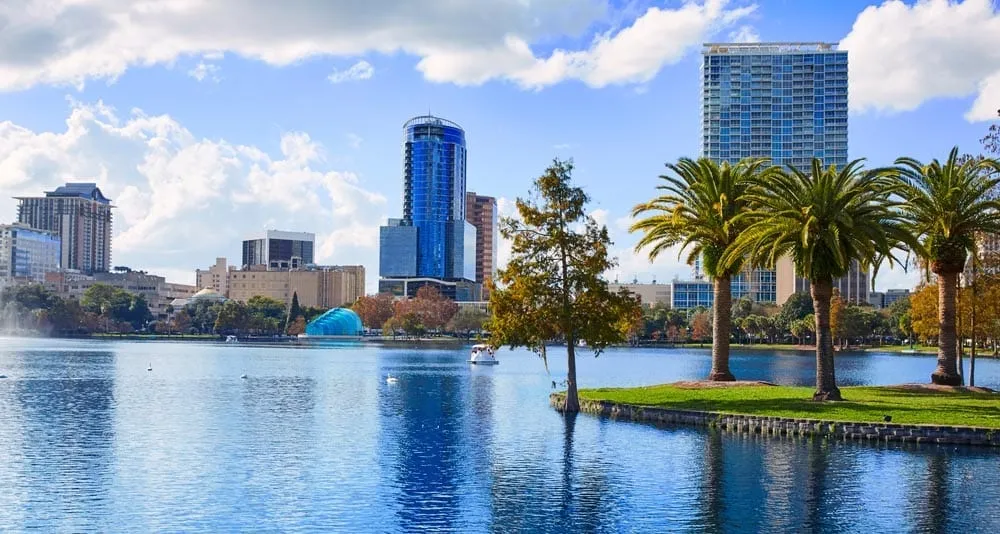
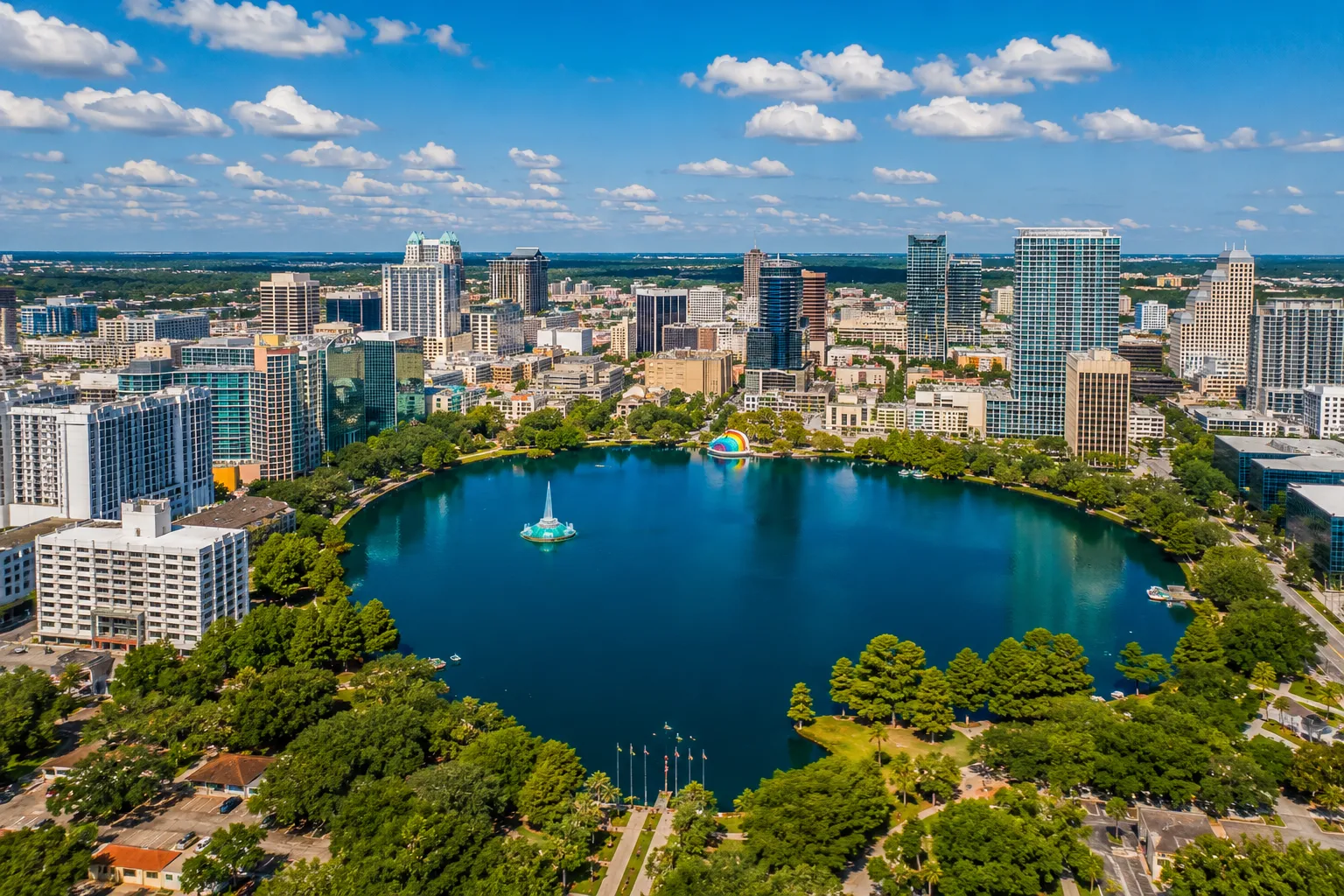
Orlando isn't just theme parks. Yes, Disney, Universal, Epic Universe, and SeaWorld are here, but the people who live here full-time experience a completely different Orlando. It's a city with distinct neighborhoods, world-class dining, growing healthcare and tech sectors, beautiful lakes, strong schools, and a quality of life that keeps people here long after the initial excitement wears off.
Weather and Climate
Orlando has a subtropical climate. That means warm weather most of the year, hot and humid summers with daily afternoon thunderstorms, mild and pleasant winters, and a hurricane season that runs from June through November. If you love outdoor living, pools, and sunshine, Orlando delivers. If you hate heat and humidity, you should know that June through September is intense.
Cost of Living
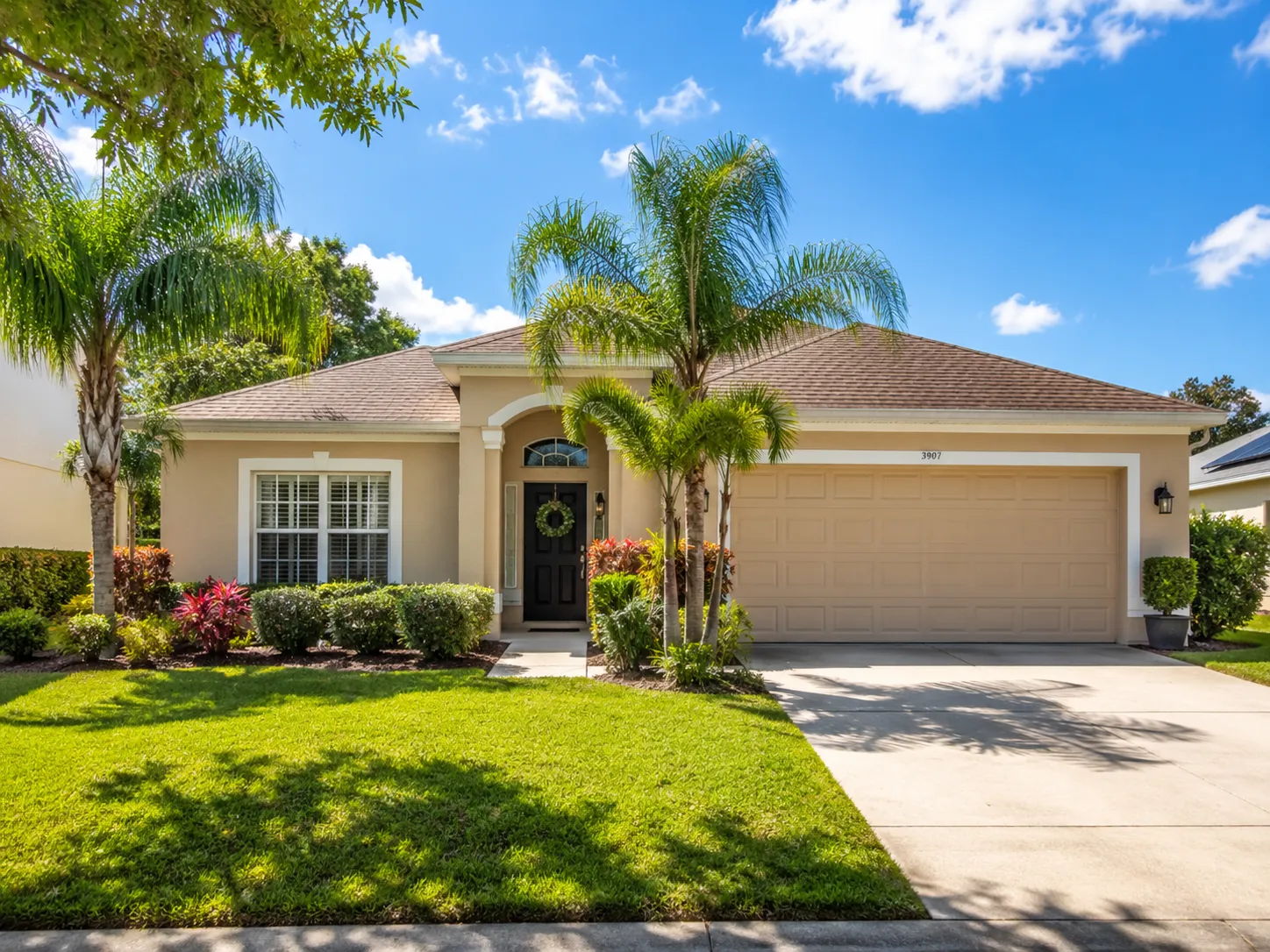
Orlando is more affordable than most major metros, especially compared to New York, New Jersey, Connecticut, California, and South Florida. Florida has no state income tax, which is a major financial advantage for high earners and retirees. Housing costs vary widely by neighborhood, but you can find homes at almost every price point.
Job Market and Major Employers
Orlando's economy has diversified significantly beyond tourism. Major employers include Walt Disney World, Universal Orlando, AdventHealth, Orlando Health, Lockheed Martin, Siemens Energy, Electronic Arts, and the University of Central Florida. Lake Nona Medical City is a growing hub for healthcare innovation, and the tech sector continues to expand.
Schools and Education
Orange County Public Schools is one of the largest school districts in the country. Many Orlando neighborhoods have excellent public schools, and the area also offers strong private and charter school options. Top school zones are found in Windermere, Dr. Phillips, Lake Nona, Winter Park, Baldwin Park, and parts of Winter Garden.
Restaurants, Shopping, and Entertainment
Orlando's dining scene is anchored by Restaurant Row in Dr. Phillips, one of the best restaurant corridors in the Southeast. Winter Park offers boutique shopping and dining along Park Avenue. Downtown Orlando has nightlife, culture, and urban dining. And of course, International Drive and the theme parks provide world-class entertainment year-round.
Theme Parks and Recreation
Living near theme parks is a lifestyle advantage. Annual passes make them accessible for regular visits, and the proximity to Disney, Universal, Epic Universe, SeaWorld, and water parks means entertainment is always nearby. Beyond theme parks, Orlando offers hundreds of lakes, nature trails, state parks, golf courses, and outdoor recreation.
Commute and Transportation
Orlando is a car-dependent city. Public transportation exists but is limited compared to larger metros. Traffic can be heavy on I-4, the 408, and around tourist corridors. Choosing the right neighborhood relative to your workplace can significantly impact your daily commute and quality of life.
Neighborhoods by Lifestyle
Orlando is really a collection of communities, each with its own personality. Windermere for lakefront luxury. Dr. Phillips for dining and convenience. Lake Nona for modern living. Winter Garden for small-town charm. Downtown for urban energy. Winter Park for historic elegance. The right neighborhood for you depends entirely on your priorities.
Thinking About Living in Orlando?
Contact Micaela for honest, local insight on neighborhoods, lifestyle, and the home buying process.
Call 407.761.5501
Pros and Cons of Living in Orlando
Pros: No state income tax. Warm weather. Strong job market. Diverse neighborhoods. World-class entertainment. Great schools in key areas. Lower cost of living than most major metros. Outdoor lifestyle with lakes, trails, and pools.
Cons: Hot and humid summers. Hurricane season. Traffic on major corridors. Tourism crowds in certain areas. Rising insurance costs. Car-dependent transportation.
Orlando Is a Great Fit For
Families looking for strong schools and safe neighborhoods
Professionals in healthcare, tech, defense, and tourism
Retirees seeking warm weather and no state income tax
Out-of-state buyers relocating from expensive markets
Investors looking for rental property opportunities
Young professionals who want urban and suburban options
Anyone who values outdoor living and year-round sunshine
People who want access to world-class dining and entertainment
Work With Micaela Navarra

I have lived in Orlando since 1992 and raised my family here. I can give you an honest picture of what life is like — the good parts and the parts that surprise people. No sugarcoating, just real talk from someone who genuinely loves this city.
Languages: English, Italian, Spanish, and Portuguese
Call or text: 407.761.5501 | Email: Mnavarrarealty@gmail.com