As a local Orlando realtor with over 34 years in Central Florida, if you're thinking about moving to Orlando, one of the first questions I hear from buyers is: how much does it actually cost to live here? The answer is more layered than a simple number. Orlando's cost of living depends on where you buy, what kind of home you choose, what neighborhood you live in, and what costs you're comparing it to.
This guide breaks down the real costs of living in Orlando, Florida, including housing, property taxes, homeowners insurance, HOA and CDD fees, utilities, groceries, transportation, healthcare, and the no state income tax advantage. Whether you are relocating from New York, California, Chicago, or anywhere else, this will help you understand the full financial picture before you make a move.
Housing Costs in Orlando
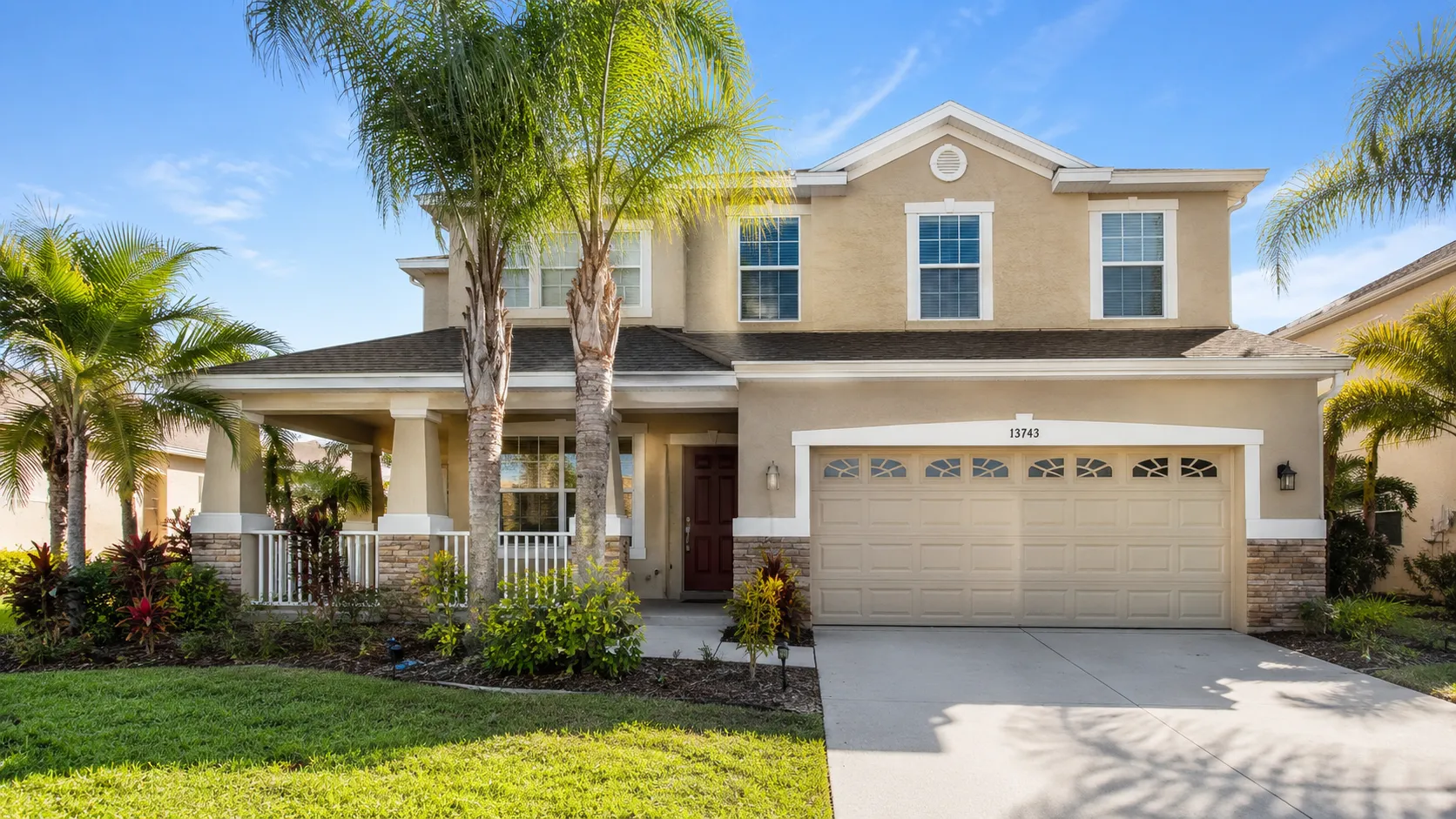
Housing is the biggest part of your cost of living in Orlando, and it varies dramatically depending on the area. A home in Horizon West or Kissimmee may cost $350,000 to $500,000, while a home in Winter Park, Windermere, or Dr. Phillips may range from $600,000 to well over $1 million.
Compared to five or ten years ago, Orlando home prices have increased significantly. The metro area saw rapid appreciation during and after the pandemic, and while the market has shifted in some areas, prices have generally remained elevated. That said, buyers today have more options and negotiating room compared to the peak of the frenzy years.
Renters should also note that Orlando rents have increased. Many people choose to buy because monthly mortgage payments, especially with a reasonable down payment, can be comparable to or lower than renting in some neighborhoods.
Property Taxes
Florida property taxes are assessed at the county level. In Orange County, where most of Orlando is located, the effective property tax rate is roughly in the range of 0.9 percent to 1.1 percent of assessed value, though this can vary based on exemptions, special districts, and millage rates.
If you're buying a primary residence, Florida offers a homestead exemption that reduces your taxable value by up to $50,000. This can make a meaningful difference in your annual property tax bill. Non-homesteaded properties, like investment homes or second homes, do not receive this exemption and will have higher taxes.
Property taxes in Orlando are generally moderate compared to states like New Jersey, New York, Connecticut, or Illinois, where rates can be significantly higher.
${CTA_BLOCK}
Homeowners Insurance
This is one of the most important costs for buyers to understand before moving to Florida. Homeowners insurance in Florida is more expensive than in most other states. Florida's exposure to hurricanes, tropical storms, and flooding drives insurance premiums higher, and the market has tightened in recent years.
Insurance costs depend on the age of the home, the type and age of the roof, the construction materials, the flood zone designation, wind mitigation features, and the coverage level. A newer home with a newer roof in a non-flood zone will generally have lower premiums than an older home with an aging roof near a flood area.
I always tell my buyers to always get insurance quotes before making an offer on a home. Insurance is not something to figure out at closing. It should be part of your budget from day one.
HOA and CDD Fees
Many Orlando communities have homeowners association fees that cover common area maintenance, amenities, landscaping, and community management. HOA fees vary widely. A basic neighborhood HOA might be $50 to $150 per month, while a resort style community with a clubhouse, pools, fitness center, and gated entrance could be $300 to $600 or more per month.
CDD fees are a separate cost that many buyers are not aware of until they start shopping. CDD stands for Community Development District, and it's a financing structure used to pay for infrastructure like roads, water management, parks, and amenities that were built when the community was developed. CDD fees appear on your property tax bill and can range from a few hundred to several thousand dollars per year.
Not every community has CDD fees, but many newer developments in areas like Horizon West, Lake Nona, Waterford Lakes, and other growth corridors do. Always ask about both HOA and CDD before you fall in love with a home.
Utilities
Utility costs in Orlando are driven largely by electricity, especially air conditioning. Florida summers are hot and humid, and most homes run air conditioning from April through October, sometimes year round. Monthly electric bills can range from $150 to $350 or more depending on the size of the home, insulation, system efficiency, and usage habits.
Water and sewer costs vary by utility provider but are generally moderate. Many communities are served by Orlando Utilities Commission or Toho Water Authority. Internet and cable costs are comparable to other metro areas, with several providers available in most neighborhoods.
- Electricity is the biggest utility cost due to air conditioning
- Monthly electric bills can range from $150 to $350 or more
- Water and sewer costs are generally moderate
- Natural gas is not common in most Orlando homes
- Internet service is widely available with multiple providers
- Newer homes with better insulation tend to have lower utility costs
Groceries
Grocery costs in Orlando are roughly in line with the national average, though some items may be slightly higher or lower depending on where you shop. Orlando has a wide range of grocery options including Publix, Walmart, Aldi, Trader Joe's, Whole Foods, Costco, and several international markets.
If you are coming from a high cost city like New York or San Francisco, you will likely find grocery costs comparable or slightly lower. If you are coming from a lower cost area in the Midwest or South, prices may feel similar or slightly higher for certain items.
Transportation
Orlando is a car dependent city. Public transportation exists through LYNX bus service and the SunRail commuter train, but most residents rely on personal vehicles for daily transportation. This means you should factor in car payments, insurance, gas, tolls, and maintenance.
Tolls are a significant consideration in Orlando. Many major highways and expressways are toll roads, including the 408, 417, 429, and portions of the Florida Turnpike. If your commute involves toll roads, the cost can add up to $100 to $200 or more per month depending on frequency.
Auto insurance in Florida is also higher than the national average. Florida is a no-fault insurance state, and rates can be steep, especially for newer drivers or those with limited driving history in the state.
Healthcare
Orlando has a strong healthcare system with several major hospital networks including AdventHealth, Orlando Health, and HCA Florida. Healthcare costs in Orlando are generally in line with national averages, though costs depend heavily on your insurance plan, employer, and individual needs.
For retirees considering Orlando, Medicare coverage works the same as anywhere in the country, and Orlando has many providers who accept Medicare. The area also has numerous urgent care clinics, specialists, and outpatient facilities.
No State Income Tax
This is one of the biggest financial advantages of living in Florida. There's no state income tax. For buyers relocating from states like New York, California, New Jersey, Connecticut, Minnesota, or Oregon, the savings can be substantial.
If you earn $100,000 per year and are moving from a state with a 5 to 10 percent state income tax, you could save $5,000 to $10,000 or more per year just on income taxes. Over the course of a decade, that is a meaningful amount of money that can go toward your mortgage, savings, investments, or lifestyle.
This is one of the primary reasons Orlando continues to attract relocating buyers from the Northeast, Midwest, and West Coast.
Orlando vs New York Cost of Living
Housing in Orlando is significantly more affordable than in New York City and the surrounding metro area. A home that costs $400,000 in Orlando might cost $800,000 to $1.5 million or more in many New York suburbs. Manhattan and Brooklyn prices are even further apart.
Beyond housing, New York has state and city income taxes, higher grocery costs, higher transportation costs including MTA fares and tolls, and generally higher prices for dining and entertainment. Orlando does have higher insurance costs and utility costs compared to parts of New York, but the overall savings in housing and taxes tend to outweigh those differences significantly.
Many buyers relocating from New York to Orlando are able to buy a larger home, reduce their monthly expenses, eliminate state income tax, and still have money left over for savings or lifestyle improvements.
Orlando vs California Cost of Living
California, especially Los Angeles, San Diego, San Francisco, and the Bay Area, is one of the most expensive places to live in the country. Orlando offers much more affordable housing by comparison. A home in the $400,000 to $600,000 range in Orlando might cost $1 million to $2 million or more in many California markets.
California also has one of the highest state income tax rates in the country, reaching over 13 percent for top earners. Moving to Florida eliminates that entirely. Property taxes in California can be lower due to Proposition 13 protections for long term owners, but new buyers purchasing at current prices will often find Florida's overall tax burden is comparable or lower when income tax savings are factored in.
Groceries, dining, and general living expenses are also lower in Orlando compared to most major California cities.
What Buyers Should Budget For
When you are planning a move to Orlando, the purchase price of the home is only part of the equation. Smart buyers build a full monthly budget that includes all of the costs that come with homeownership in Florida.
Monthly Costs Beyond Your Mortgage
Property taxes including homestead
Homeowners insurance premiums
Flood insurance if in a flood zone
HOA fees monthly or quarterly
CDD fees on your tax bill
Electricity and air conditioning
Water and sewer service
Auto insurance and tolls
Home maintenance and repairs
Closing costs and move-in expenses
The best way to avoid surprises is to work with a local Realtor who can walk you through the full cost picture for specific homes and neighborhoods you're interested in. Not every home has the same cost structure, and local knowledge makes a real difference in understanding what you are actually going to pay each month.
About These Cost Estimates
Orlando is a large metro area with many different submarkets, neighborhoods, and price ranges. Cost of living data can vary depending on the source, the time period, and the specific area being measured. The information in this guide is meant to give buyers a general understanding of what to expect, but your actual costs will depend on the specific home, neighborhood, and lifestyle you choose.
Always verify current costs, rates, insurance quotes, and tax amounts with the appropriate providers before making financial decisions.
Get the Full Cost Picture
Get a free, no-obligation consultation with a local Realtor who can help you understand the full cost picture.
Call 407.761.5501
Work With a Local Realtor
Understanding the cost of living in Orlando goes beyond reading articles and running online calculators. Every neighborhood is different. Every home has its own cost structure. Insurance varies. HOA fees vary. CDD fees vary. The details matter, and they can add up.
When you work with me, I help you understand the full financial picture before you make a decision. Not just the listing price, but the real monthly cost of owning a home in Orlando. I want you to feel informed, confident, and prepared.
Whether you are relocating from out of state, buying your first home, or exploring Orlando as a long term move, I'm here to help you make the right decision for your life and your budget.
Work With Micaela Navarra

I get questions about Orlando's cost of living every week, especially from families relocating from the Northeast or South Florida. The truth is, Orlando is affordable relative to many major cities, but it is not as cheap as it was five years ago. I help my clients understand the full picture: housing costs, insurance, property taxes, HOA fees, utilities, and commute expenses so there are no surprises after closing. I have lived here since 1992 and I know where your dollar goes furthest.
Languages: English, Spanish, Italian, and Portuguese
Call or text Micaela directly: 407.761.5501